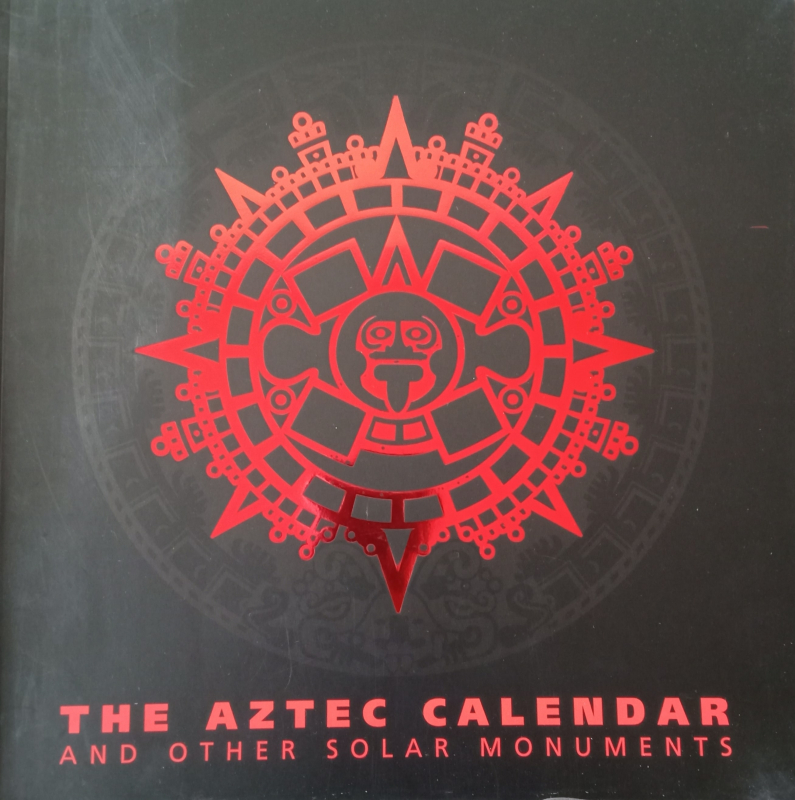
The Aztec Calendar and other solar monuments
In their respective texts, Matos and Solís present the possibilities of an explanation that is never definitive on the subject, based on the study of pre-Hispanic and colonial documentary sources, as wells as the interpretation of sculpture, bas-reliefs, ornaments and other objects. Far removed from any fantasy, this double perception is based on an unshakeable textual and material central theme: the relationship between the sun god and the practice of human sacrifice -a link that is reiterated in chronicles, codices and archeological monuments. The overwhelming evidence of the iconography of the sculped stones found both within and beyond the Aztec territories (calendar signs, eagles and tigers, warriors, emblems such as the atltlachinolli or “burnt water”), confirm that the sacred mission of sustaining the sun spread over a vast geographical area. The reader will encounter surprises, such as the hypothesis about the Maya origin of solar paraphernalia (until very recently attributed to the Toltec of the Central Highlands) or the abundance of sun discs (a sacred emblem with Huitzilopochtli and Xiuhtecuhtli depicted in relief) in the most unexpected places. With strict attention to detail. Felipe Solís and Eduardo Matos make a scholarly review of a number of monuments containing signs allusive to sun worship, both inside and outside of the sacred center in Tenochtitlan: large-scale stone sculptures, pictographs in codices and funerary pottery, or bas-reliefs on bone found in different offerings. Supported by numerous illustrations of the archeological objects mentioned throughout the text, the authors describe the formal attributes that enable identification of such gods as Huitzilopchtli. Tonatiuh, Tezcatlipoca, or Quetzalcóatl, Xipe, Tlaltecuhtli in their solar manifestations. Hypothetically, the horizon now includes Tláloc, the possible cosmic father of Huitzilopochtli -which would explain his altar atop the Templo Mayor in Tenochtitlan. Furthermore, Matos and Solís carefully explain the relationship between the available iconography and the different myths that describe the daily battle between nigh and the sun.
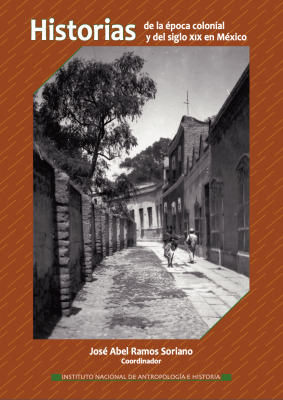 Historias de la época colonial y del siglo XIX en México
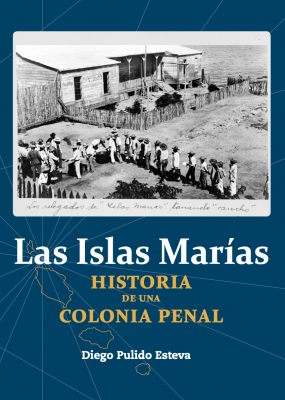 Las Islas Marías
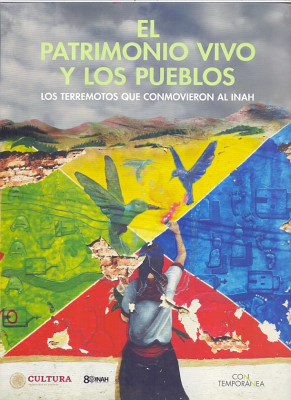 El patrimonio vivo y los pueblos
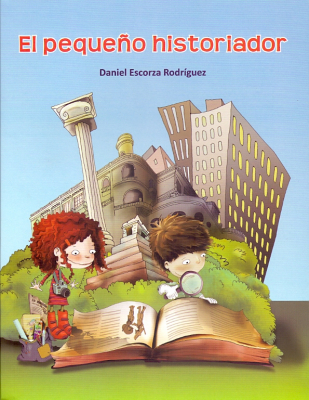 El pequeño historiador
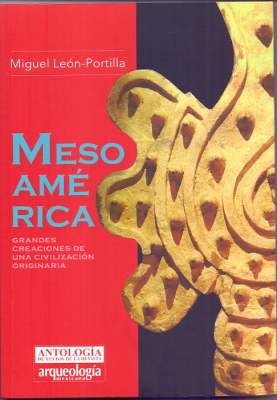 Mesoamérica.
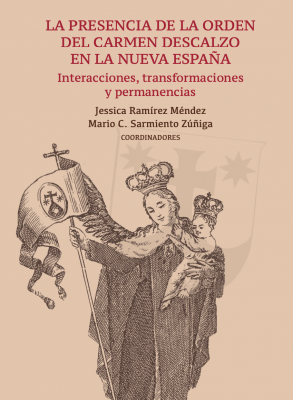 La presencia de la orden del Carmen descalzo en la Nueva España
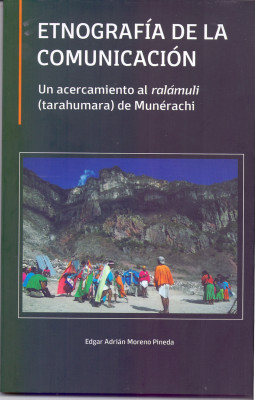 Etnografía de la comunicación
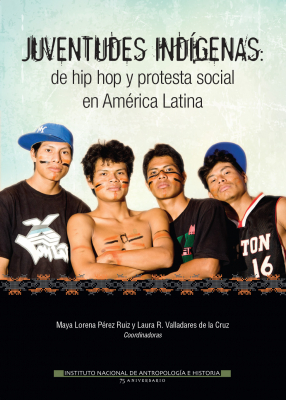 Juventudes indigenas
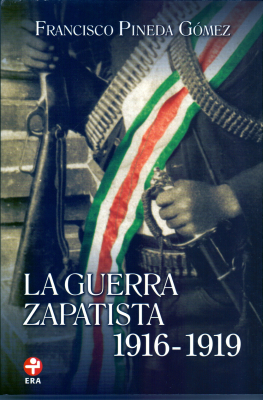 La guerra zapatista 1916-1919
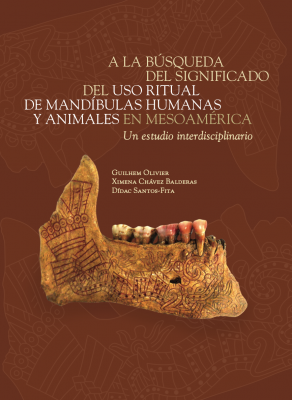 A la búsqueda del significado del uso ritual de mandíbulas humanas y animales en Mesoamérica
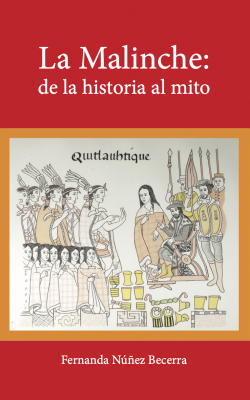 La Malinche: de la historia al mito
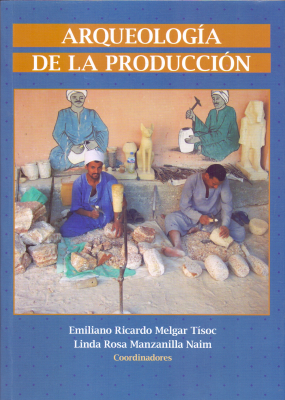 Arqueología de la producción
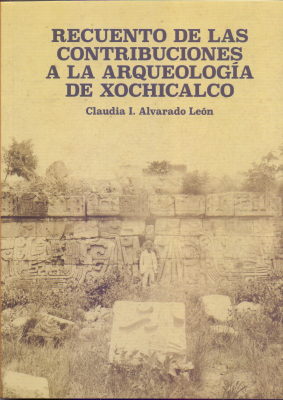 Recuento de las contribuciones a la arqueología de Xochicalco
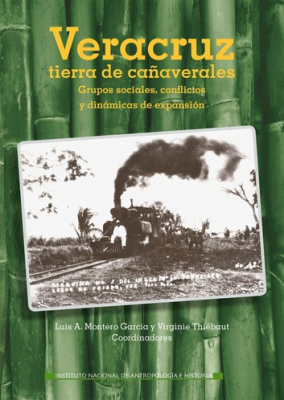 Veracruz, tierra de cañaverales
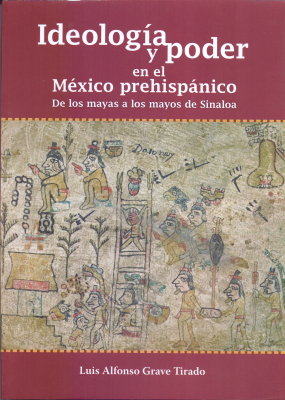 Ideología y poder en el México prehispánico
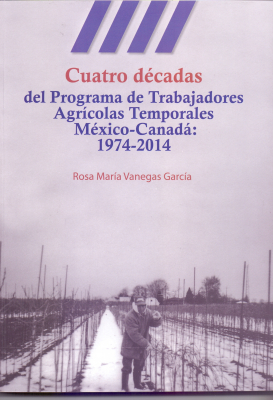 Cuatro décadas del programa de Trabajadores Agrícolas Temporales México- Canadá: 1974-2014
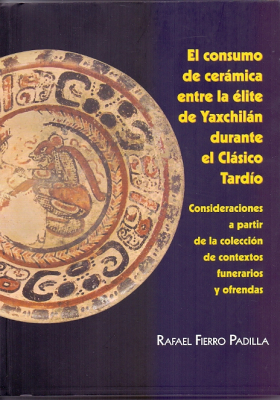 El consumo de cerámica entre la élite de Yaxchilán durante el Clásico Tardío
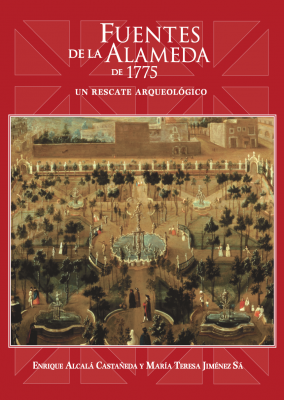 Fuentes de la Alameda de 1775
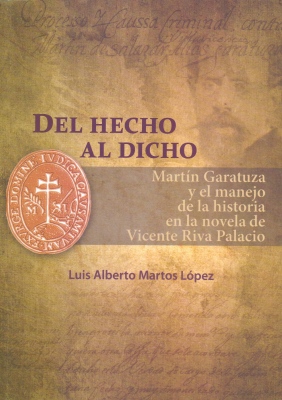 Del hecho al dicho
 Catálogo de publicaciones INAH